Understanding the psychological effects of gambling a deep dive into the mind's game
The Allure of Gambling
The appeal of gambling is deeply rooted in the human psyche, intertwining elements of excitement and risk. Players often find themselves drawn to the thrill of uncertainty, where the outcome remains unpredictable. This aspect activates the brain’s reward pathways, releasing dopamine and creating a sense of euphoria. Many are attracted to the chance of winning big, often equating it with instant gratification and success. In exploring the options, you might wonder what is the best online casino in australia and how it fits into this captivating landscape.
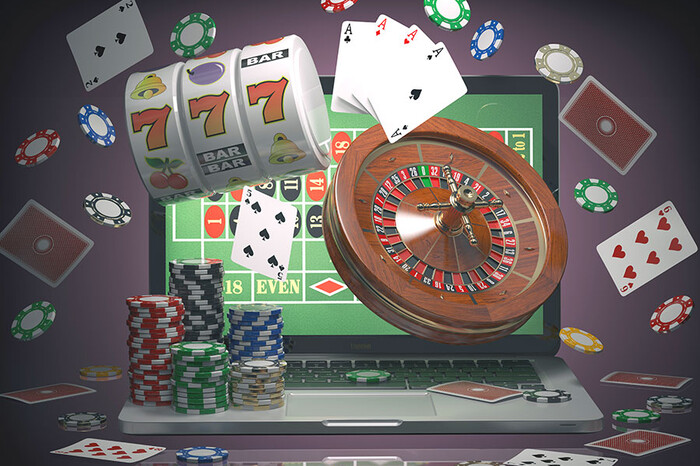
Cultural perceptions of gambling also influence its allure. In various societies, gambling is seen as a leisurely activity, a rite of passage, or even a social event. This cultural framing can make gambling seem more acceptable and enticing, further entrenching its appeal within individuals and communities.
The Psychological Impact of Winning and Losing
The emotions tied to winning and losing in gambling are profound and can significantly affect a person’s mental state. Winning can lead to feelings of invincibility, encouraging gamblers to engage in riskier behavior. The euphoric highs can create a cycle of reinforcement, driving individuals to return to gambling for more of that rush.
On the flip side, losing can trigger feelings of despair, shame, or guilt. Many gamblers may experience a phenomenon known as the “gambler’s fallacy,” where they believe that previous outcomes affect future results, leading them to chase losses. This cycle can be detrimental, often spiraling into harmful behaviors or even addiction.
The Role of Cognitive Biases
Cognitive biases play a critical role in how gamblers perceive their experiences. One common bias is the illusion of control, where players believe they can influence outcomes in games of chance. This misunderstanding can lead to overconfidence and risky decisions. Similarly, selective memory often causes gamblers to focus on wins while downplaying losses, further distorting their perception of gambling.
These biases highlight the complex interplay between thought patterns and gambling behavior. Understanding these psychological traps is crucial for developing healthier gambling habits and mitigating risks associated with compulsive gambling.
Addiction and the Brain
Gambling addiction, often categorized alongside substance abuse disorders, alters brain function. The neurochemical changes associated with addiction affect decision-making, impulse control, and emotional regulation. Compulsive gamblers often prioritize gambling over personal relationships and responsibilities, leading to a cascade of negative consequences in their lives.
Understanding the addiction process is essential for recognizing when gambling becomes problematic. Treatment options often incorporate psychological support, behavioral therapies, and support groups, aiming to help individuals reclaim control over their gambling behaviors and restore balance to their lives.

Exploring Responsible Gambling Resources
Understanding the psychological effects of gambling is crucial for fostering responsible gambling practices. Various resources are available to assist individuals in navigating their gambling experiences safely. These resources often provide educational materials, support networks, and counseling services tailored to address gambling-related challenges.
Engaging with responsible gambling initiatives can equip individuals with the tools needed to maintain a healthy relationship with gambling. By promoting awareness and understanding, these resources aim to diminish the risks associated with gambling and foster a culture of safe gaming.